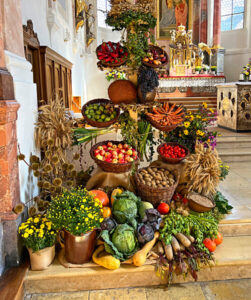
In the autumn months, Unitarian congregations across Transylvania gather to celebrate thanksgiving services that honor both the harvest and the rhythms of rural life. These occasions are deeply rooted in a long-standing connection between faith and the agricultural calendar, marking a moment when communities pause after months of labor to reflect on the abundance of nature. More than seasonal observances, these services represent a shared expression of gratitude that unites individuals, families, and entire villages.
Typically held in local churches, these gatherings bring together people of all ages in a spirit of reverence and togetherness. The interiors are often thoughtfully prepared for the occasion, with altars decorated using fruits, vegetables, grains, and other symbols of the harvest. Each item placed before the congregation carries meaning—not only as a representation of the earth’s generosity, but also as a testament to human effort, cooperation, and perseverance throughout the farming season.
Food plays an important role in these celebrations, extending the sense of gratitude beyond the church service itself. Traditional dishes, often prepared collectively or shared among neighbors, reinforce the bonds within the community. In many villages, these moments of shared meals become just as significant as the liturgical service, creating opportunities for storytelling, remembrance, and the strengthening of social ties that have been cultivated over generations.
Ultimately, these thanksgiving services reflect a worldview in which faith is inseparable from everyday life. They highlight values such as humility, interdependence, and respect for nature, while also preserving cultural traditions that define the identity of Transylvanian Unitarian communities. Through these gatherings, gratitude becomes not only a spiritual act but also a lived experience—one that connects past and present, individual and community, and the human world with the natural one.